We have the degree. The job. The kids. We read books on attachment, follow gentle parenting accounts, and are mindful of how we speak to our children.
And yet, at the end of the day, there is that fatigue one cannot quite name. A profound fatigue. The fatigue of a mother—regardless of her generation—who gives everything and has forgotten to save a little something for herself.
If you recognize yourself in these lines, it’s likely because you are a millennial mom. And what you are experiencing has a name, a context, and—above all—an explanation.
But to truly understand where we stand, we need to look further. Three generations of mothers—Baby Boomers, Millennials, and Gen Z—each of whom has transformed motherhood in her own way.

Baby boomers born between 1946 and 1964 became mothers between the 1970s and 1990s. The context was radically different from ours: mental health was an absolute taboo, children’s emotions were not a priority in child-rearing, and parental authority was unquestionable.
But here is what is often forgotten: many Baby Boomer mothers grew up in even harsher conditions. The Cold War, post-war reconstruction, normalized violence in child-rearing, and a complete lack of psychological support systems. Their own parents adhered to codes of conduct with a rigidity we can only imagine.
And yet, many of them consciously or intuitively decided to do things differently—driven by a quiet determination not to repeat certain patterns, and without the tools we have today at their disposal.
It is this invisible work—done without language, without community, and without validation—that made what we do today possible. Baby-boomer moms laid the foundation stones. We are continuing to build.
What they passed on—often without realizing it—was permission to want something better, even without knowing how.
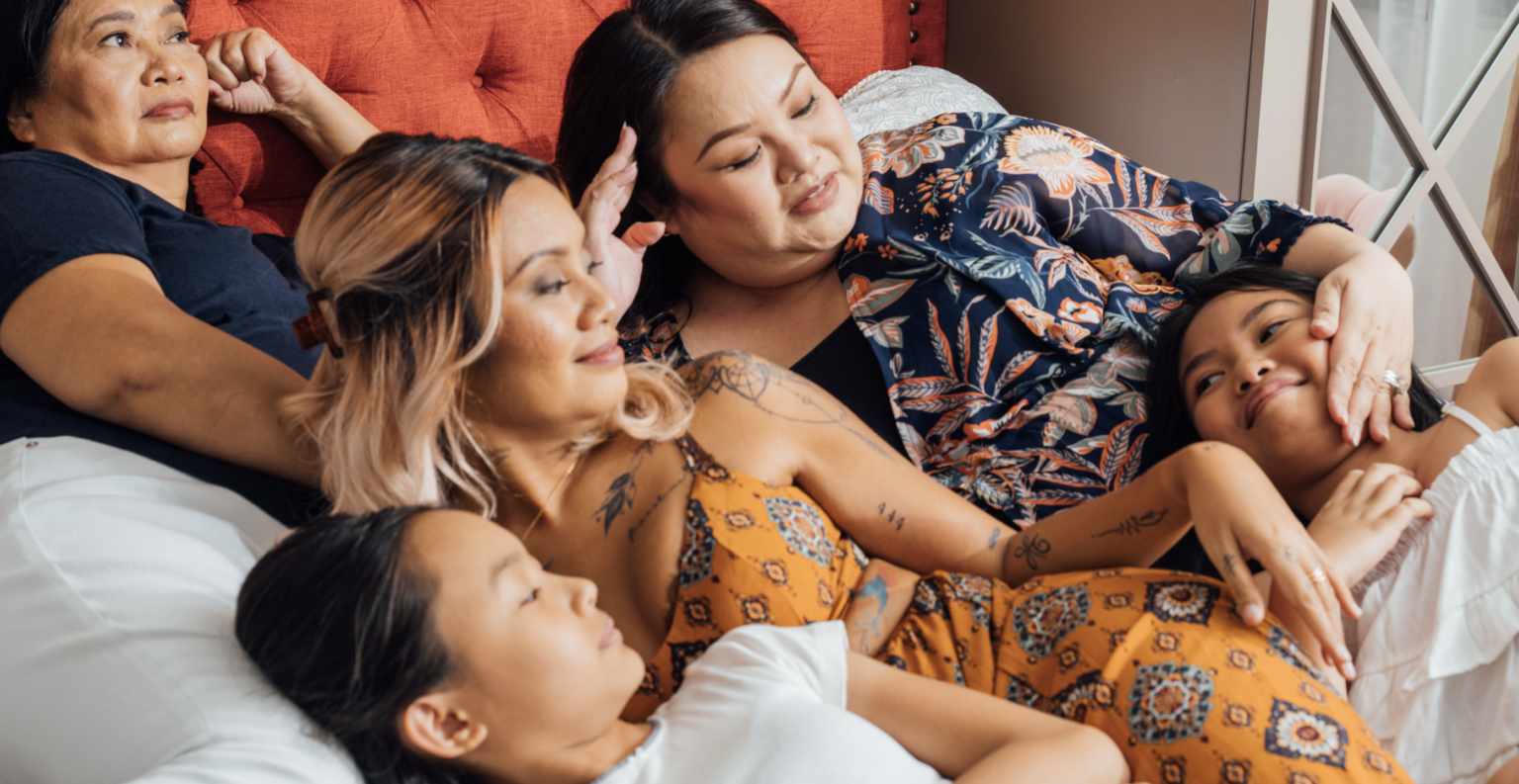
Epigenetics research now shows that intense stress experienced by one generation leaves measurable biological traces in the nervous systems of subsequent generations, without them having chosen it (Yehuda et al., 2016, Biological Psychiatry).
In other words: we inherit not only our mother’s physical traits, but also what she didn’t have the chance to leave behind somewhere.
Our parents broke what they could, with what they had. We don’t erase their work; we carry it forward.

Millennials are people born between 1981 and 1996. They grew up alongside the rise of the internet, lived through the 2008 financial crisis and the COVID-19 pandemic—experiencing the advent of the internet just as they were coming of age—and became mothers in a rapidly changing world.
The millennial mom is the one who:
And that is precisely where the paradox lies: the more she knows, the more she carries. The more aware she is, the heavier the burden.
Raising children consciously, deconstructing one’s own patterns, and rejecting ordinary educational violence—this represents a large-scale cultural break. But this work comes at a cost.
According to an IFOP / April Foundation study (2022), 67% of mothers describe a state of invisible chronic exhaustion. And one in three waits more than two years before speaking to anyone about it.
The millennial mom validates her children’s emotions while stifling her own—something she has been doing since 10 a.m. She tells them, “It’s okay to be sad,” yet she suppresses her own feelings. This vast gap between what we pass on and what we experience internally is one of the least acknowledged sources of exhaustion in modern motherhood.
More awareness + less structural support = systemic burnout.
We know what we should do. We know what cortisol does to a child’s brain. We know what attachment trauma is. We know we should set boundaries, take time for ourselves, and regulate our nervous systems.
And we also know that it’s 7 p.m., dinner isn’t made, the monthly report is due tomorrow, and the last time we took some time for ourselves was… we can’t even remember.
Neuroscience is clear on this point: an overloaded nervous system cannot be regulated by sheer willpower (Porges, *The Polyvagal Theory*, 2011). The body needs concrete signals of safety.

Generation Z, born between 1997 and 2012, is starting to have children. And their approach to motherhood is already different in several fundamental ways.
The approach to information. The millennial mom discovered conscious parenting along the way—often after already having children—and had to unlearn ingrained habits. The Gen Z mom, on the other hand, grew up with these concepts; secure attachment, emotional regulation, and positive discipline are notions she is familiar with before she even has children.
Attitudes toward mental health: For Millennials, seeing a therapist was often still viewed as a sign of weakness. Gen Z has normalized therapy as a tool for personal growth, on par with exercise or nutrition. Gen Z moms approach motherhood with greater emotional resilience already in place and feel less guilt about asking for help.
The relationship between work and identity. Millennials grew up with the message that “you can have it all.” They often internalized the idea that if they didn’t succeed, it was because they weren’t trying hard enough. Gen Z is more pragmatic. From the outset, they question structures, working hours, family models, and the division of tasks. They refuse self-sacrifice as an implicit condition of motherhood.
The relationship with social media: Millennials experienced motherhood under the social media spotlight—facing pressures to be the “perfect mom,” polished photos, and the demand for high-performance parenting. Gen Z, having grown up with social media, takes a more detached view; they value raw authenticity, unfiltered stories, candid accounts, and the open embrace of imperfections.
Despite all these differences, Baby Boomers, Millennials, and Gen Z share a deep aspiration: not to pass on the painful things they themselves received. To break the cycles. To raise children free from certain burdens.
It is this common thread that runs through generations and gradually changes the way we form a family.
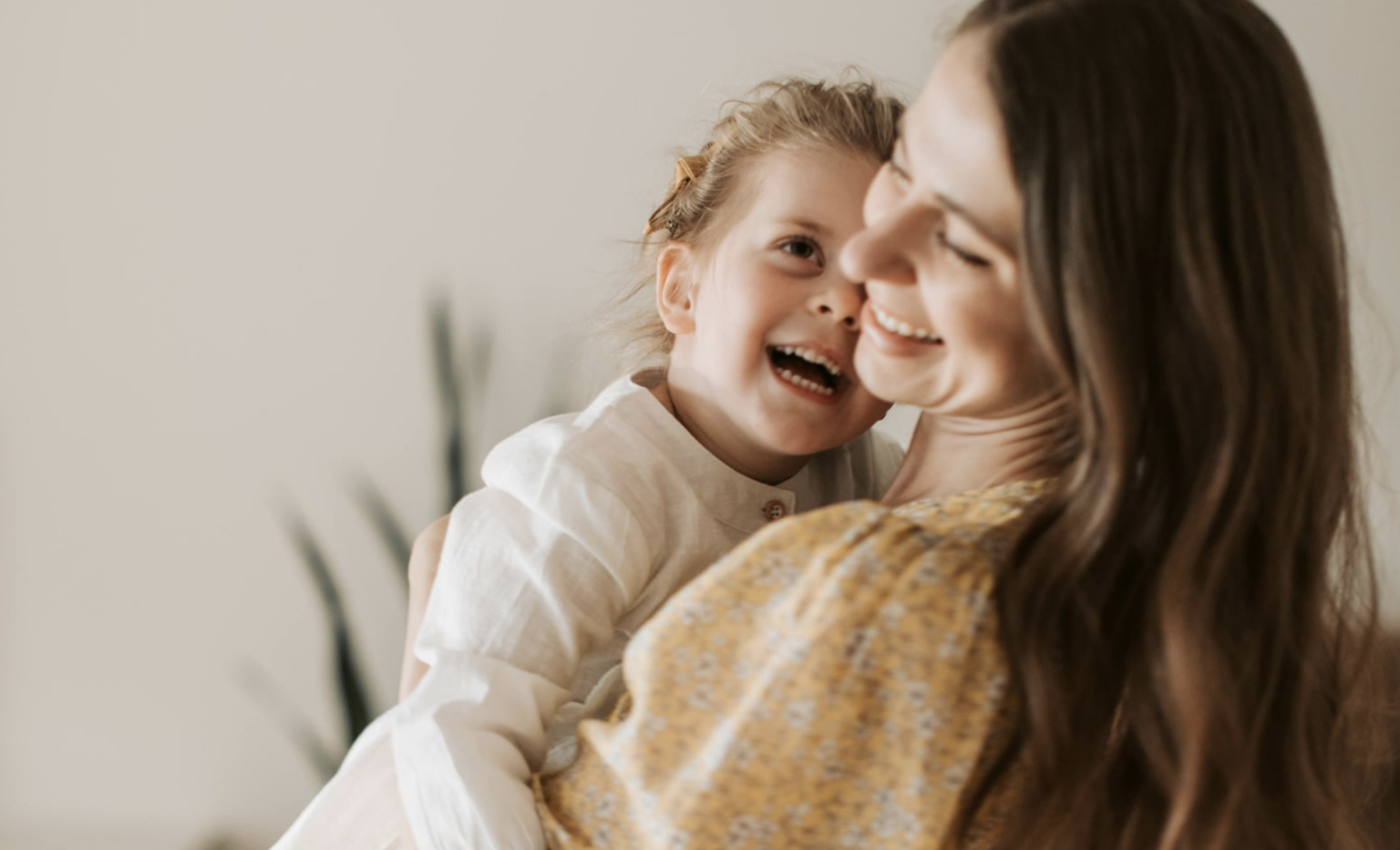
The good news in all this is that it can change.
Research on nervous system regulation shows that five minutes of mindful practice are enough to lower cortisol levels by 23%.
What millennial moms—and tomorrow, Gen Z moms—need is not to do more, but to reclaim space for themselves through simple practices that can be integrated into a daily life that isn’t going to slow down.
Baby boomer, millennial, or Gen Z: every generation of mothers did what they could with what they had. Baby boomers broke down barriers where they could, even without the words. Millennials put words to what the baby boomers had started. Gen Z arrives with the tools already in hand.
It is a gradual, imperfect, sometimes painful, yet real transmission.
And if you reach the end of this article feeling a little less alone in all of this, that is exactly why it was written!